Phuket is not a single flavor but a menu. The island wears its biodiversity like a jewel: turquoise coves, limestone cliffs, old Chinese shophouses, and a coastline that changes mood with the monsoon. I’ve spent months chasing sun through the Andaman, watching sunsets bleed into the sea and then hike into jungle that smells of resin and salt. This guide is the distillation of what’s both doable in a single trip and unforgettable when you stretch into two weeks. It blends the adventurous with the relaxing, the well worn and the barely touched, because Phuket rewards curiosity more than it rewards speed.
A practical note before we dive in. Phuket has seasons that shape how you’ll feel about the water, the crowds, and the roads. From November through February the air runs cool and the sea crests with the kind of clarity that makes you believe in perfect days. March to May brings heat that can feel relentless but is often tempered by a sea breeze and late afternoon showers that clear the air. The southwest monsoon from May to October swaps the honest sun for humid relief, thunderheads, and sudden downpours that retreat as quickly as they appear. If you’re chasing visibility and calm water, aim for November to February. If you want lush green scenery and dynamic coastal life, late May into early October has its rhythms too. The island isn’t a calendar, it’s a mood, so use flexibility as your compass.
What follows blends practicalities with the kinds of moments that stay with you long after you’ve flown home. It’s organized around places you can visit in a few days or skim through in a long weekend, and it also threads in longer options for travelers who want a deeper dive.
Chasing the coast: where the sea is the foreground
The Andaman Sea does not merely hold Phuket; it shapes it. Your best days begin and end with water that looks tuned to cinema lighting. A day spent near the coast can be a mosaic of salt air, limestone silhouettes, and street-food bursts of flavor around every corner.
One way to frame your time on the water is simple: pick a morning that starts before most locals rise, and a late afternoon that refuses to end. The rhythm will push you toward the kinds of experiences that turn a trip into a memory you can revisit in conversation for years.
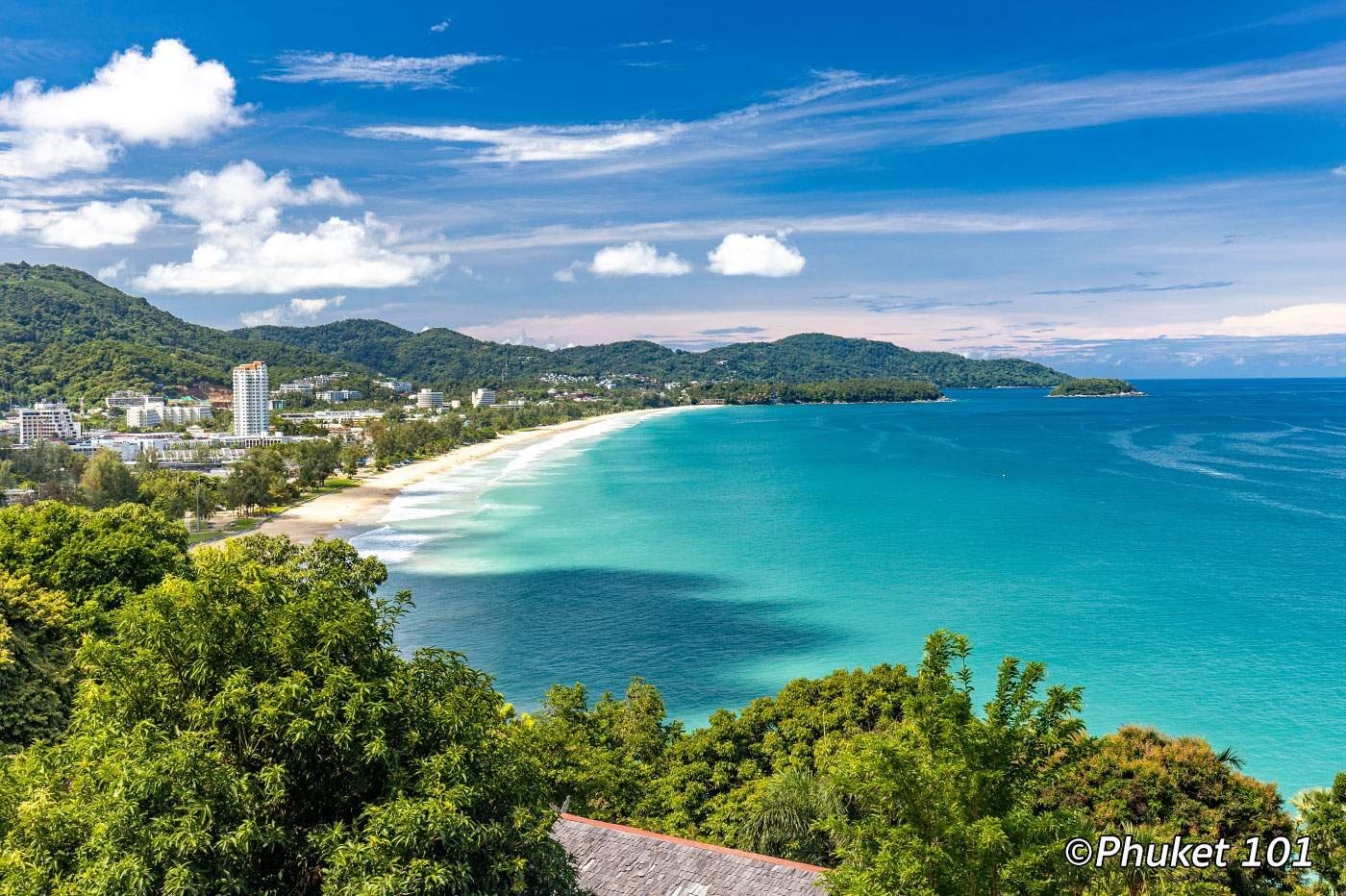
Phuket’s most iconic shorelines are also the most instructive for what you should expect. Patong, Kata, and Karon are often thought of as the main arteries of beach life. They host a cocktail of sun, surf, bars, and crowds. Each, in its own way, teaches patience and pace. Patong is energy in motion. If you want a loud, lively night market with neon and music, you’ll find it here. Kata and Karon take a slower approach, offering long ribbons of sand, shells that glitter in the afternoon light, and restaurants that chain from morning smoothies to evening curries with quiet efficiency.
For a more meditative beach day, head to Nai Harn or Yanui Bay. Nai Harn has a small village feel, good protection from swells, and a sand that yields softly under your feet. The water’s color is almost too honest in its clarity, revealing every ripple. Yanui’s cove is smaller, but it carries an intimacy you don’t always get on larger beaches. It’s the kind of place where you walk out with a sun-warmed chest and a sense you’ve earned a late coffee with a view.
If you want something truly dramatic, head to the Phang Nga region, where the landscape looks carved by a patient giant. James Bond Island has become an icon by now, but there are quieter shows nearby. Take a long-tail boat through mangrove tunnels, pass caves that glow with reflected light, and watch the cliffs rise like ancient guardians. It’s tourism with a strong sense of geology and time. Bring waterproof shoes, a hat, and a camera you don’t mind getting salt-sprayed. The experience is best when you pace yourself and let the boat ride become a moving frame for your day.
Old Phuket Town invites a different energy, and it’s worth a full day to absorb the city’s cadence. The streets are a gallery of Sino-Portuguese architecture, color-washed walls that carry the fragrance of street food, and small shops where you’ll discover crafts that feel almost custom-made for your travel life. The Sunday Street Market is a living museum of street food, with vendors who have built a patient craft over decades. You’ll see fruit carving that doubles as sculpture, smell the skewers roasting on charcoal, and hear locals converse with a warmth that reminds you you’re a guest in a living city.
From there, you can pivot toward the interior and the surprising variety of landscapes Phuket hides inland. The island’s topography is not only sea and sand; it’s get more info rain forest, misty ridges, and terraces that remind you of a journey rather than a destination.
Adventurous moments that live up to the hype
If you crave adrenaline with a natural backdrop that doesn’t pretend to be something it’s not, Phuket provides more than enough opportunities. They are not all about height and speed; many are about terrain, timing, and the feeling of being truly present.
Clip up and glide across the water with a stand-up paddle session at sunrise off Rawai or Nai Harn. The morning light on glassy water has a way of slowing your heartbeat in just the right way. You’ll see boats cresting and the silhouettes of small islands behind you, the air still cool enough to make you feel you could go forever.
Kayaking through mangroves near Ao Por Bay reveals another dimension of Phuket. The water here is a thin film between you and a living green roof of branches overhead. You’ll drift past herons, water monitors, and the shy movements of fish just beneath the surface. It’s not about maximal exertion but about quiet focus, the kind of attention you bring when you want to notice a world that happens while you’re not looking.
If you crave the physical challenge, the climbing routes at Ko Phi Phi or the inland boulder fields around Surin Beach offer a different tempo. Phuket’s rocks are not sheer impassable walls; they’re puzzles with holds carved by wind and water. A day with a local guide who knows the best routes for your level is time saved and confidence earned. These are moments that remind you how much your body can learn when it’s listening to the rock rather than the clock.
Beyond the coastal trails, you’ll find opportunities to explore a less-engineered thrill. Snorkeling around coral patches near Racha Yai and Racha Noi reveals a living mirror of the sea’s color spectrum. The corals may be modest here compared to the world’s famous reefs, but the biodiversity—parrotfish, angelfish, and the occasional sea turtle—is earned with a gentle swim and patient observation. If you’re lucky, a friendly reef shark will drift past as a reminder that the ecosystem, though polished by tourism, still breathes with real life.
Food as a map, not just fuel
Thai food is a passport in itself. Phuket’s version of it has the luxury of proximity. You can eat like a local or chase the newest fusion experiment with a smile and a stray piece of laughter in your pocket. Start the day with a roti and a hot coffee, a street inlet that forms a taste memory quickly enough to feel local in hours rather than days. Roti here is a thin, sweet, slightly oiled pancake that takes on curry or condensed milk depending on the mood of the seller. It’s the kind of breakfast that makes your travel fatigue feel silly in the face of something so comforting.
For lunch, a bowl of tom yum or gaeng keow wan packs a heat that is never a showy stunt, but a consistent reminder that flavor is a conversation between the chef and your palate. Phuket has a habit of layering complexity into a single dish. A simple curry may carry a whisper of lemongrass, a hint of galangal, and a finish of coconut that lingers on the tongue like a remembered breeze.
Evenings invite a different pace. The night market culture in Phuket Town and surrounding neighborhoods is a festival of color and sound. It’s where you learn to negotiate with vendors who know you might be a traveler chasing the next taste. Don’t rush the first bite; measure the moment by whether it makes you smile more than once. A skewered satay tastes like smoke and schoolyard laughter, while a plate of pad thai should be balanced between nutty and smoky, with lime to squeeze in at the last moment.
Relaxing experiences that still feel earned
There are days when rest is the real adventure. A good rest can look different from day to day: a quiet corner of a beachfront bar with a weathered book, a cliff-side cafe with a view that makes your worries shrink, or a spa day that carries you into quiet reflection and then gently back to the world.
Consider a slow morning at a coastal resort where the pool water catches the sunlight and throws a spectrum over your shoulders. If you’re staying in Kata or Karon, the mornings are often calm before the day’s crowds arrive, and a spa session with a traditional Thai massage can feel like a reset button pressed with careful hands. A massage here is not an indulgence so much as a rehearsal for future movement: loosen the hips after a long hike, loosen the shoulders after a boat ride, and leave with a posture that says you will walk a little slower and notice more.
For a more immersive rest, a sunset cruise with a gentle breeze becomes a floating meditation. The water calms as the sun sinks, and you’re surrounded by the silhouettes of boats, the soft clinking of glasses, and the night air that fills with the scent of the sea and local herbs. It’s a reminder that rest can be an active choice, a pathway to increase your capacity to enjoy what comes next.
Two practical lists to keep you organized without breaking the mood
Checklist for a smooth first three days:
- Start early on a balanced beach day with a swim, a walk, and a breakfast that makes you smile. Schedule a sunset view from a cliff or a rooftop, followed by a night market walk to cap the evening. Reserve one boat day for Phang Nga or a neighboring island so you don’t miss the standout coastal scenery. Bring reef-safe sunscreen, a light rain shell, and a cap that stays on in the wind. Pack a small waterproof bag for a day on the water to protect your camera and phone.
Five experiences that define a complete Phuket trip
- Snorkel in the crystal near Coral Island or the Racha spot that suits your pace and comfort level. Take an early ride through the mangroves and come out into a patch of quiet water where the world slows to a gentle routine. Climb for a view and walk the edge of a limestone cliff as the wind changes the light in dramatic ways. Explore Old Phuket Town on foot, drink a cold tea in a courtyard cafe, and let the evening unfold at a pace you decide. Dine at a street-food stall where the vendor has a thousand stories and your taste buds are the next chapter.
Mindful travel: navigating crowds and choosing your pace
Phuket can feel like a mosaic of micro-experiences, each piece vying for attention. The secret is not to eliminate crowds but to choose when and where you engage with them. If the idea of Patong during sunset makes you want to escape to a quieter corner, that’s a sign to pivot toward a smaller beach or a temple complex with a ferry ride to a less-visited shore.
When you do decide to wander into busy areas, bring a sense of purpose. Have one personal goal per day that informs your choices. It might be to try a specific dish, to photograph a particular texture, or to walk a neighborhood without checking your phone. The act of prioritizing a single impulse can turn a crowded moment into a meaningful memory rather than a blur of sound and color.
Cultural notes that deepen the experience
Phuket sits at a crossroads between Thai tradition, sea-based livelihoods, and global tourism. You’ll notice a blend of languages in street signs and shopfronts, from Thai and Chinese to a pinch of Malay on the island’s periphery. The people you meet are often generous with time and stories if you approach with respect and curiosity. A simple greeting, a smile, and a willingness to listen go a longer way than the speed of your questions.
A few practicalities to help you move smoothly
- Getting around is easiest if you rent a car or scooter, but be mindful of traffic and always wear a helmet if you ride a two-wheeler. Phuket’s roads can be a test of nerves during peak hours. Taxis and ride-hailing services are available, but a short negotiation on price helps you avoid surprises. Many drivers are perfectly happy to use the meter if you ask politely. Respect temple etiquette: dress modestly, remove shoes where required, and keep voices low. Hydration is a constant need in the heat, so carry a bottle with you and refill often. Coconut water is a reliable hydrate and tastes like a memory of the tropics in a way that boxed drinks rarely do. If you’re chasing underwater life, consider renting a proper snorkel kit rather than relying on cheap rentals. A good mask brightens your view and reduces tired eyes after a day in saltwater.
A longer arc for the truly curious traveler
If Phuket is your first stop in Southern Thailand, consider letting it guide you toward neighboring islands or the mainland experiences of Phang Nga and Krabi. A two-week arc can begin with Phuket’s beaches and Old Town, then swing toward the dramatic sea stacks of Phang Nga and the limestone towers of Krabi. From there, a short ferry to Koh Yao Noi or Koh Phi Phi adds another texture—less developed, with a different tempo and a different relationship to water and travel. You’ll start to feel that Phuket is not simply a destination but a doorway to a broader region where the sea has a language all its own and the people speak it with patience.
A note on timing and pacing
If you’re visiting during peak season, expect crowds around sunset, ferries, and popular viewpoints. Plan your peak-day experiences for early morning or late afternoon when the sun has softened into a forgiving glow. A good rule of thumb is to book your top experiences a few weeks ahead of time, then allow yourself the flexibility to replace the day’s plan if a sudden downpour makes a sheltered plan more attractive.
Two more tips from my own routes through Phuket
- Do not underestimate the joy of a detour. The best moments often arrive when you veer off the map for a street food stall you notice from a scooter or a temple you discover while following a narrow lane. Bring a small notebook or a notes app entry for the trip. You will want to capture the sensory details—the warmth of a curry steam, the texture of a hand-carved wood, the way light changes the color of a cliff. These notes become your travel memory bank.
Closing thoughts and a map of your possibilities
Phuket is not a single narrative but a collection of micro adventures that reward curiosity. If you arrive with a plan that includes both the light and the shade, the fast pace and the slow pause, you’ll emerge with a balanced picture of what the island offers. You’ll have stood at the edge of a cliff as a gull passed in quiet motion, you’ve tasted a street-food bite that tasted of the sea and the sun, and you will have walked through a town that feels older than its walls and newer with every café that opens at dawn.
The truth is simple: Phuket is at its best when you let it be a playground for your senses rather than a checklist of experiences. It will test your energy, reward your patience, and leave you with a handful of stories that you can tell with the same excitement you felt when you first arrived.
If you want to write the kind of travelogue that reads like it happened to you yesterday, you’ll return to the same streets, the same beaches, and the same friendly faces, but with a fresh memory and a new set of questions. What do I want to learn from the next corner of this island? Which sunset did I miss because I chose the wrong bench? These questions are proof that Phuket, for all its widely shared moments, still holds private ones for those who move through it with attention.
May your days in Phuket be as expansive as the sea and as intimate as a shared plate of noodles. May you find the exact balance between movement and rest, sound and silence, heat and cool shade. And may your travels here leave you with more questions than you started with, because the best adventures always begin as questions and end as stories you tell with a smile.